
Introduction
Digestive comfort is one of the most common reasons pet owners reach for a supplement — and one of the easiest wellness stories to communicate. For brands and distributors, the pet digestive health supplement category combines high everyday relevance with strong repeat-purchase behavior. But it is also a category where strain specificity, dosing, and stability documentation separate a credible product from a generic one.
This guide is written for pet brand owners, e-commerce sellers, and procurement teams evaluating private label or OEM/ODM production. We explain how digestive supplements actually work, compare formulation approaches, review the formats that sell, and outline how to source a manufacturer you can trust with the formula and your label.
Why Digestive Health Is a High-Velocity Category
Digestive issues are frequent, visible, and top-of-mind for owners: irregular stools, gas, dietary transitions, and sensitivity are routine concerns. That creates three commercial advantages:
- Everyday relevance. Unlike seasonal products, digestive support sells year-round.
- Fast perceived feedback. Owners notice stool and comfort changes quickly, which builds brand trust and reorder behavior.
- Natural cross-sell. Digestive buyers often also shop for immune, skin-coat, and hairball products — strong bundle potential.
From a sourcing perspective, the category rewards manufacturers who can document viable strain counts at end of shelf life, not just at production.
The Three Formulation Approaches
Most commercial pet digestive supplements combine one or more of these mechanistic groups.
Probiotics (Live & Active Cultures)
Strain-specific beneficial bacteria (commonly Lactobacillus and Bifidobacterium species, plus Bacillus spp. for shelf stability) help maintain a balanced gut flora. The credible claim rests on documented CFU counts and strain identity — not just “contains probiotics” on the label.
Prebiotics (Functional Fibers)
Ingredients such as inulin, FOS, or yeast-derived beta-glucans feed beneficial gut bacteria. They are stable, inexpensive, and pair naturally with a probiotic in a synbiotic formula, similar in logic to the immune-support actives that also lean on gut-associated resilience.
Digestive Enzymes & Soothing Botanicals
Enzymes (protease, amylase, lipase) support normal nutrient breakdown, while botanicals like slippery elm or pumpkin support digestive comfort. These broaden the benefit story and support bundle positioning with sensitive-stomach lines.
Formulation Formats: Matching the Product to the Channel
- Soft chews — palatable and convenient; strong for DTC and subscription models.
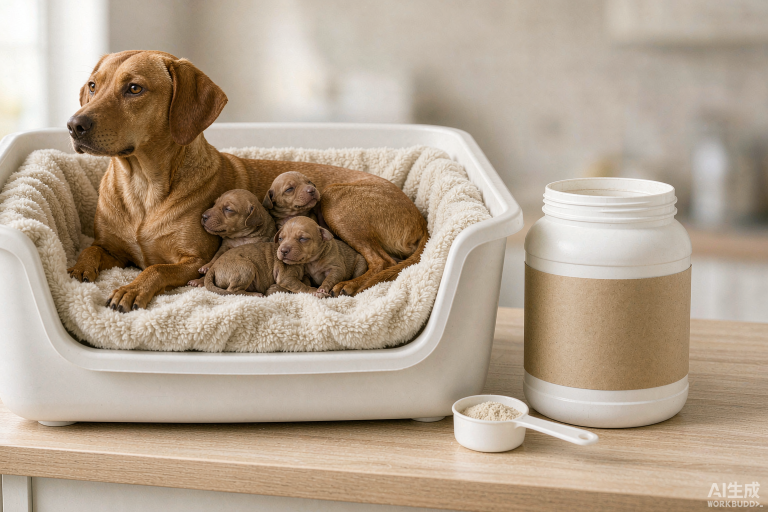
- Powders / toppers — mixed into food; appeals to owners avoiding manual dosing and works well for cats.
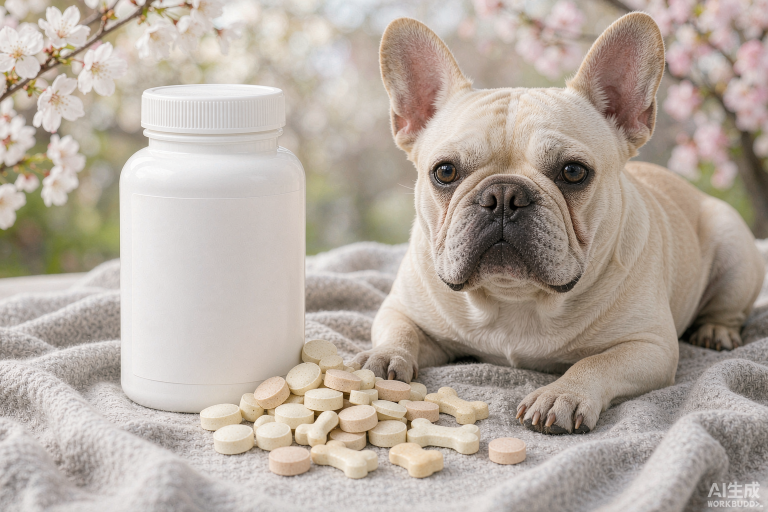
- Capsules / tablets — precise dosing, preferred by veterinary-channel and professional buyers.
- Liquids — fast-absorption narrative, good for senior pets or those with chewing difficulty.
For a first private label SKU, soft chews and powders are the most category-native choices, with capsules as the professional upsell. Doowoo Pet supports low-MOQ private label from 500 bottles per SKU, including a freeze-dried option for clean-label positioning.
Stability & Dosing: The Details That Build Trust
Digestive products live or die on documentation:
- Guaranteed CFU at end of shelf life, with storage and stability data.
- Clear, weight-based dosing guidance on the label.
- Strain identification and allergen documentation.
Request stability and microbial testing from your manufacturer before committing to a production run. Doowoo Pet runs lot-level testing so partners can stand behind every label claim.
Claims Compliance for Digestive Products
As with all pet supplements, avoid disease language. “Supports digestive health” or “helps maintain a healthy gut flora” are compliant frames. Keep dosing and usage statements conservative and market-appropriate, and document the basis for any structure/function claim.
Sourcing a Pet Digestive Supplement Manufacturer
The evaluation checklist emphasizes documentation and formulation finesse:
- Strain expertise — can they specify and document strains and CFU at end of shelf life?
- Ingredient documentation — COA, microbial and heavy-metal testing per lot.
- Format reliability — consistent texture and viable counts across chews, powders, and capsules.
- Certifications — GMP and HACCP certified, with lot-level documentation to support your compliance file.
- MOQ & lead time — from 500 bottles/SKU with a typical ~10-day production lead time, suitable for pilot and scale phases.
Closing
A pet digestive health supplement is a dependable, evergreen addition to a pet wellness line — the demand is constant and the benefit story is easy for owners to understand. Success comes down to strain credibility, stability documentation, and a manufacturing partner whose quality systems let you scale the SKU with confidence.
Related Reading
- Pet Immune Support Supplement — bundle gut and immune resilience.
- Dog Joint Care Supplement — another high-retention routine SKU.
- Cat Hairball Remedy — feline wellness cross-sell.