
Introduction
A pet’s immune system is the quiet engine behind everyday vitality — and it is a category where pet owners proactively invest in preventive nutrition. For brands and distributors, the pet immune support supplement market is a year-round staple with strong repeat-purchase behavior and broad cross-sell potential. But it is also a category where ingredient credibility and sourcing transparency matter enormously, because “immune support” claims are easy to make and hard to substantiate.
This guide is written for pet brand owners, e-commerce sellers, and procurement teams evaluating private label or OEM/ODM production. We cover the ingredients that actually matter, the formats that fit different channels, the claims boundaries you must respect, and how to select a manufacturing partner you can defend to your customers.
Why Immune Support Is a Foundational Category
Unlike single-condition products, immune support sits underneath almost every other wellness routine. A dog or cat on a skin-coat, joint, or digestive program is also implicitly supporting overall resilience. That gives the category three commercial strengths:
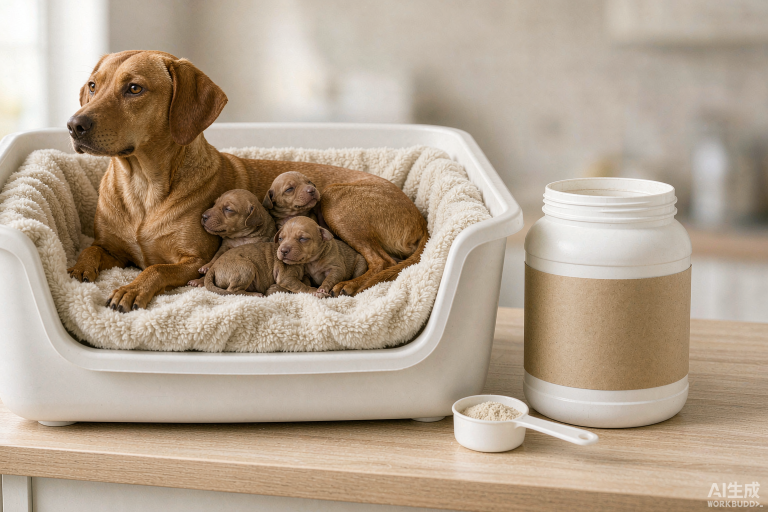
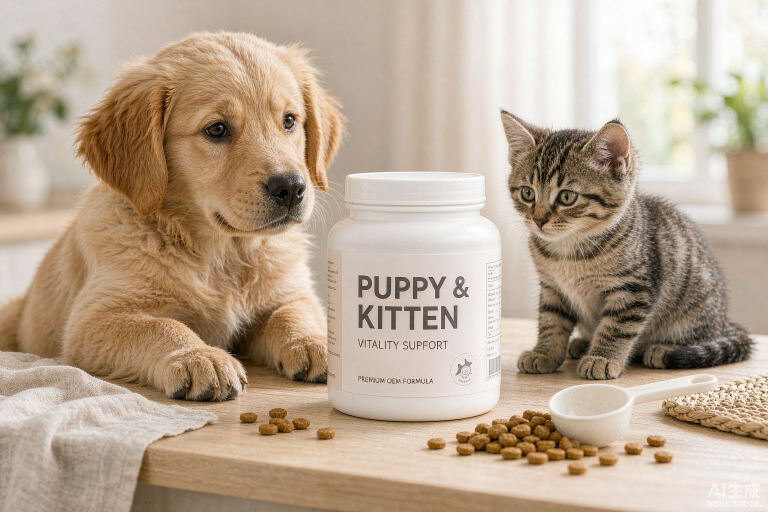
- Broad appeal across life stages. From weaning puppies and kittens to senior pets, immune support is relevant to nearly every owner.
- Subscription-friendly demand. Preventive nutrition is a continuous routine, not a short course, which supports recurring revenue.
- Strong cross-sell gravity. Immune buyers overlap heavily with joint, skin-coat, and digestive shoppers — ideal for bundle and routine-building offers.
From a sourcing standpoint, the category rewards manufacturers who can document ingredient origin and potency, because efficacy perception is built on consistency batch after batch.
The Ingredients That Define a Credible Immune Formula
A credible immune formula is built on a focused set of well-established actives rather than an endless label. The core stack most B2B buyers specify:
Colostrum & Immunoglobulins
Bovine or canine-origin colostrum delivers naturally occurring immunoglobulins and growth factors associated with normal immune function. It is a strong, recognizable ingredient for marketing and pairs well with a premium positioning.
Beta-Glucans
Derived from yeast or medicinal mushrooms, beta-glucans are among the most studied immune-supporting compounds in companion-animal nutrition. Sourcing and standardization (for example, a β-1,3/1,6 specification) matter for a defensible claim.
Vitamins & Antioxidants (C, E, Zinc, Selenium)
These are the classic immune-system cofactors. Vitamin C and E contribute to antioxidant defenses, while zinc and selenium support normal immune cell function. They are inexpensive to include but essential to a complete formula.
Probiotics & Prebiotics
A large share of immune activity resides in the gut. Strain-specific probiotics (documented Lactobacillus / Bifidobacterium strains) plus prebiotic fibers support both digestive and immune resilience — and create a natural bridge to a digestive-health line.
Formulation Formats: Matching the Product to the Channel
The right format depends on your sales channel and target species:
- Soft chews — the dominant retail format. High palatability, easy dosing, strong shelf presence; ideal for DTC and Amazon-style listings.
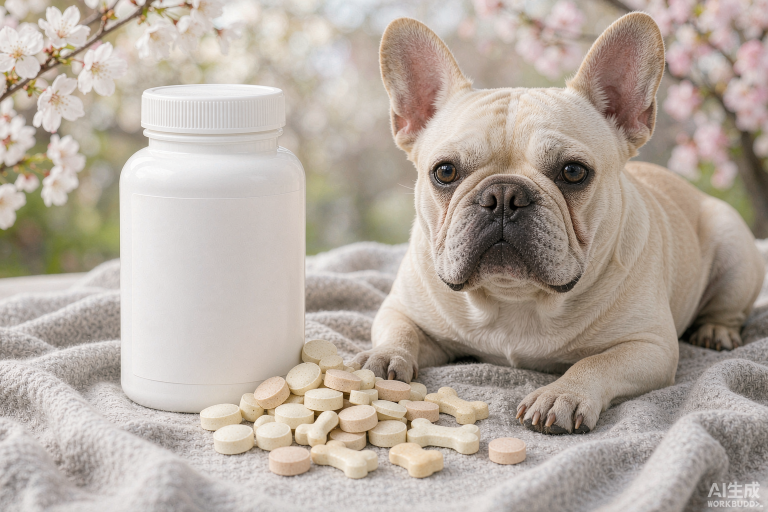
- Tablets / capsules — precise dosing, lower per-unit cost, preferred by veterinary-channel and professional buyers.
- Powders — flexible for mixing into food; useful for multi-pet households.
- Liquids — fast-absorption narrative, good for senior pets with chewing difficulty.
For private label, soft chews are usually the safest first SKU because they convert well and photograph attractively. Doowoo Pet supports low-MOQ private label from 500 bottles per SKU, making a first immune line accessible without overstock risk.
Claims Compliance: What You Can and Cannot Say
Pet supplement advertising is regulated, and the rules differ by market. In the United States, FDA oversight of animal supplements means you generally cannot claim to treat, cure, or diagnose a disease. Structure/function language — “supports a healthy immune system” or “helps maintain normal immune function” — is the compliant frame.
Work with a manufacturer who understands these boundaries and can supply documentation (COA, stability data, ingredient specifications) so your brand stays defensible if questioned.
How to Vet an Immune Supplement Manufacturer
When you shortlist a pet immune support supplement manufacturer, request:
- Certifications — Doowoo Pet is certified to GMP and HACCP standards, with documentation available for your market registration and retailer onboarding.
- Batch documentation — COA per lot, heavy-metal and microbial testing.
- Formulation flexibility — can they adjust actives, flavors, and formats to your spec?
- Capacity & lead time — realistic MOQ (from 500 bottles/SKU) with a typical production lead time of ~10 days, supporting fast test-launch and replenishment cycles.
- IP protection — clear OEM/ODM agreements covering your formula and brand.
A manufacturer that treats these as routine — not as a favor — is the partner worth scaling with.
Closing
A pet immune support supplement line is one of the most defensible additions to a pet brand’s catalog: broad appeal, strong retention, and a formula story that is easy to communicate. The differentiator is sourcing — choose a manufacturing partner whose documentation, flexibility, and quality systems let you scale without surprises.
Related Reading
- Dog Joint Care Supplement — cross-sell to mobility-care buyers in the same routine.
- Cat Hairball Remedy — another evergreen feline wellness SKU.
- Pet Digestive Health Supplement — pair immune and gut support in a bundle.